
What to Pack When Traveling With Limited Mobility
Traveling with limited mobility takes planning, but the right gear makes trips safer and more comfortable. This guide focuses on practical packing choices, documentation, and compact solutions that reduce stress while on the move.
Below you’ll find prioritized packing lists, advice for transport and airports, and product suggestions that are travel-friendly and often FSA/HSA-eligible—so you can plan smart and pack light.
Plan and Coordinate Before You Pack
Start with logistics: call your carrier and accommodations to confirm accessibility, mobility-assistance services, and any documentation they need. Ask about dimensions for gate-checking devices and whether they provide onboard assistance. Photograph and record serial numbers of mobility devices; keep receipts handy if you’ll need to claim equipment or demonstrate ownership.
Make a short trip folder (paper + digital) with prescriptions, a letter from your provider if needed, emergency contacts, and insurance cards. Keep a printed itinerary and copies of any special assistance confirmations to present when asked.
Mobility Equipment to Bring or Rent
Decide whether to bring your own device or rent locally. Lightweight, folding options reduce hassle and often meet airline gate-check rules. If you use a cane consider a compact option like Affordable travel canes that collapse and stow in a carry bag.
If you rely on a wheeled walker for balance or as a seat, look for travel-capable models; many are eligible for reimbursement. For longer walks or uneven terrain, consider bringing a rollator designed for travel—models marked as FSA/HSA-eligible rollators often combine lightweight frames and foldability for transit.
Comfort and Seating on the Go
Long waits and seated transfers can cause pressure and pain. Bring a compact, high-quality cushion to protect your tailbone and distribute weight—an extra-large seat cushion can be used in airports, trains, taxis and hotel chairs. Look for memory foam or gel options with a removable cover for easy cleaning.
Consider packing a foldable travel blanket and a lumbar support pillow. If you’re susceptible to swelling on flights, compression socks can reduce discomfort—bring a spare pair so you can change mid-trip.
Medication and Health Essentials
Organize medicines so they are accessible, clearly labeled, and protected. Use a durable, waterproof organizer to separate daily doses and simplify transit through security. For compact, secure storage bring a waterproof pill pouch set that holds several days’ worth of prescriptions and vitamins.
Keep critical meds in carry-on with the original prescription bottles when possible; if airport security questions anything, a printed medication list and a doctor’s note can help. Pack extra doses in case of delays and include basic first-aid supplies tailored to your needs (dressings, skin barrier cream, alcohol wipes).
Bathroom and Personal Care Aids
Portable bathroom aids reduce fall risk and make unfamiliar bathrooms safer. If you use a shower chair, choose a travel-friendly model or verify that your destination can provide one. Explore FSA/HSA-eligible shower chairs for compact options suitable for short stays.
Other useful items: a non-slip bath mat, suction-cup grab bars (temporary and drill-free options exist), long-handled sponges, and slip-on footwear with good tread. Pack personal hygiene items in an easily reachable compartment of your carry bag.
Packing Tips for Airports and Flights
For wheelchairs and larger mobility devices, confirm airline policies well in advance: battery type (wet, gel, lithium) rules, how they secure devices, and whether you can use the battery onboard. If you bring a manual or power wheelchair, research options classified as FSA/HSA-eligible wheelchairs—they often have travel-friendly fold features and documented specs to share with an airline rep.
Label every item and add contact information; secure fragile components with bubble wrap or foam padding. Bring spares for small parts (allen keys, screws, extra tips for canes) in a small tools bag. At the gate, confirm drop-off and pickup procedures so your device is ready on arrival.
Travel Bags and Organizers
Organize gear into dedicated bags so essentials are reachable and the mobility device isn’t cluttered. A top-access bag or armrest organizer keeps your phone, boarding pass, and medications handy. A robust carry organizer such as the Vive XL wheelchair accessories bag hangs on frames and keeps items secure while traveling.
For transporting chairs or larger components, use purpose-made wheelchair storage bags that protect against dirt and damage when checking equipment or storing it in vehicles. Label them clearly and include a strap or lock if the bag passes through multiple handlers.
Assistive Small Items and Safety Extras
Small helpers make a big difference: a compact reacher/grabber, a foldable shoehorn, a lightweight travel stool, and a bright LED clip-on light for nighttime navigation. Pack a reliable, rechargeable power bank for mobility devices that use removable electronics (check airline rules for battery capacity). Also bring adhesive non-slip tape and a small roll of duct tape for emergency fixes.
Checklist: Essentials to Pack
- Primary mobility aid(s) plus a compact backup (folding cane or travel rollator)
- Carry-on with prescriptions, printed medical info, and copies of prescriptions
- Waterproof pill pouch set for daily doses and extras
- Extra-large seat cushion for long waits and transfers
- Vive XL-style accessories bag or similar for small items
- Wheelchair storage bag or protective travel covers for checked devices
- Travel-sized shower chair or arrangements at lodging
- Chargers, battery documentation, and a small tools kit
- Non-slip footwear, compression socks, and hygiene aids
FAQ
Q: How should I transport a power wheelchair?
A: Contact the airline in advance to confirm battery type and handling. Prepare documentation, remove or secure batteries if required, and pack the chair in a protective storage bag when possible.
Q: Can I bring extra medication through security?
A: Yes—bring extra in labeled containers, keep a printed prescription list, and pack critical meds in your carry-on. Notify TSA agents if you carry liquid medicines in quantities over 3.4 ounces; they are allowed but should be declared.
Q: What if my hotel doesn’t have accessible equipment I need?
A: Ask the hotel before arrival—many can provide or rent equipment. If they cannot, bring compact alternatives like portable shower stools or grab bars and check local medical supply rental services.
Q: Are there compact rollators suitable for travel?
A: Yes—many travel rollators fold down for transit and some are FSA/HSA-eligible. Choose one with reliable brakes and a stable seat for safety.
Q: How can I keep my mobility device from getting damaged?
A: Use a padded storage bag, secure loose parts, and label the bag. Take photos of the device before travel and keep small repair tools and spare parts in an accessible pouch.
Conclusion
Packing for travel with limited mobility is about prioritizing function, protection, and accessibility. Choose foldable, protective gear; keep medications and paperwork within reach; and use targeted organizers to reduce friction during transit. With the right preparation, travel becomes more manageable and more enjoyable—one trip at a time.
Products Featured in This Article
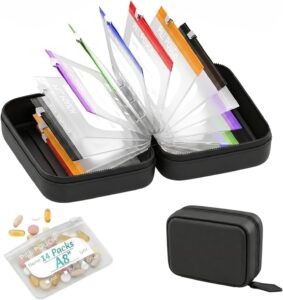
Waterproof Pill Pouch Set 2026, Wat…
Specifications:Product Name: Waterproof Pill Pouch Set-14Pcs Bags InsideMaterial : PU Waterproof ShellColor: Black/GreenSize : 5.9*2.3*4.3inchWeight :…
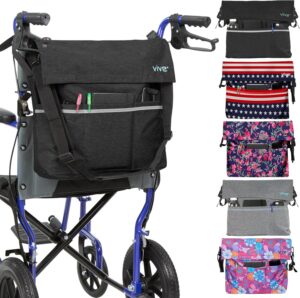
Vive XL Wheelchair Accessories Bag …
Product description The video showcases the product in use.The video guides you through product setup.The video…

Extra Large Seat Cushion for Sciati…
Product description Designed for Sciatica. Engineered for 10-Hr Relief 15.8% Wider. 100% Inclusive 19.69″ wide (15.8%…
💜 Travel Smarter Tip
The best trip isn't the one where everything goes perfectly—it's the one you planned well enough to enjoy despite the unexpected.
Travel Smarter. Move Easier. Explore with Confidence.
💜 Ready for Your Next Adventure?
Practical travel tips, helpful resources, and recommended gear for travelers with limited mobility.