
How to Travel Smarter When You Have Limited Mobility
Travel shouldn’t stop because mobility is limited. With thoughtful planning, the right gear, and a few accessibility-savvy strategies, you can get more comfort, independence, and confidence on the road.
This guide covers practical steps—from choosing mobility equipment to airport tips, packing strategies, and simple daily routines—so you can travel smarter and enjoy your trip with fewer surprises.
Plan with Purpose: Research Before You Book
Start by confirming accessibility features at each point of your trip: airport services, ground transportation, hotel room layout, and the attractions you plan to visit. Call hotels directly to request room configurations like roll-in showers, wider doorways, or ground-floor rooms. When booking flights, ask the airline about assistance options, gate-to-seat procedures, and policies for stowing mobility devices.
If you rely on a folding transport or travel wheelchair, a protective bag can reduce damage and delays at the airport. Consider a purpose-built wheelchair travel bag so your chair arrives ready to use.
Choose the Right Mobility Aid for Travel
Your daily mobility aid might not be the best travel option. Lightweight, foldable models are easier to manage through airports, taxis, and public transit. If you’re considering an upgrade for travel, compare weight, folded size, tray or storage features, and whether the device fits airline size restrictions.
For walkers, look at certified options designed to be covered by FSA/HSA plans to reduce costs and ensure medical-grade features. Our selection of FSA/HSA-eligible walkers highlights compact, travel-friendly models that balance stability with portability.
Smaller Aids, Big Impact: Canes and Seat Cushions
If a cane is your primary support, a folding travel cane can be a game-changer: compact for storage, easy to stow under a seat, and sturdy when you need it. Browse lightweight, collapsible options among our affordable travel canes.
Long travel days mean pressure on the back, tailbone, and hips. A deep-seat cushion reduces discomfort on planes, trains, and in rental cars—especially for those with sciatica or chronic pain. See practical options in our affordable seat cushions collection.
Packing Smart: Gear, Batteries, and Medication
Make a mobility-specific packing list: spare parts, chargers, straps, a lightweight cover for wet weather, and any documentation the airline might ask for. If you use a wheelchair with removable batteries or a mobility scooter, verify airline battery rules and bring any necessary battery paperwork.
Keep medication accessible and organized in a travel-ready organizer so doses aren’t missed during transit. Our range of FSA/HSA-eligible medication organizers includes clear, compact solutions designed for travel routines.
Airport and Flight Strategies
Arrive early to allow time for check-in, security screening, and gate assistance. Request wheelchair or porter service when booking if walking long distances is a challenge. When boarding, you may be offered early or pre-boarding to settle in without the crush of other passengers.
If you bring a larger mobility device, label it clearly and consider lightweight protective packaging. A folding transport wheelchair can simplify airport transfers and fits better in aircraft stowage than full-size chairs.
On the Ground: Accessibility Tactics for Daily Travel
When choosing ground transit, favor services that advertise accessible vehicles or ramps. For sightseeing, plan routes that avoid steep stairs and use maps to identify elevator locations. Portable aids like folding walkers and rollators help you navigate urban sidewalks—pick a model with good wheels and a reliable braking system.
For compact, travel-friendly walkers, browse our affordable folding walkers to find a balance between durability and packability.
Protect Your Circulation and Energy
Long travel days increase the risk of swelling and fatigue. Compression socks can reduce leg swelling and improve comfort during flights or long drives. Choose properly sized, travel-rated compression socks; see options that qualify for FSA/HSA purchase in our FSA/HSA-eligible compression socks.
Plan rest breaks, stay hydrated, and schedule activities in blocks so you’re not standing or moving for prolonged stretches without a break.
Stay Safe and Comfortable in Lodging
Confirm bathroom accessibility and safety before arrival. If the hotel’s accessible options don’t match your needs, bring compact aids to make the bathroom safer—handheld grab bars, shower stools, and portable steps can help. For quick in-room comfort, a seat cushion reduces pressure from prolonged sitting during transfers or while resting.
Consider contacting the property in advance to request placement in rooms near elevators and to verify the height of beds and sinks relative to your mobility needs.
Quick Travel Checklist
- Confirm accessible transportation and hotel features.
- Pack a folding cane or walker and a compact cushion.
- Label and protect mobility devices; bring chargers and spare parts.
- Organize meds in a travel organizer and keep prescriptions accessible.
- Wear compression socks for long flights or drives.
- Allow extra time at airports and for transfers.
FAQ
- Q: Can I bring my wheelchair through airport security?
A: Yes—wheelchairs pass through screening; inform TSA agents and request assistance as needed. Battery rules can vary, so check with your airline if your chair has removable batteries. - Q: What’s the difference between a travel wheelchair and a transport wheelchair?
A: Travel wheelchairs are typically lightweight models you can self-propel; transport wheelchairs are pushed by a companion and often fold more compactly for stowing. - Q: How do I keep medications cool or secure while traveling?
A: Use insulated travel pouches for temperature-sensitive meds and a clearly labeled medication organizer to keep doses on schedule and secure. - Q: Are compression socks worth it for short flights?
A: Yes—compression socks help reduce swelling and discomfort even on short flights, especially if you have circulation concerns or limited mobility. - Q: What if my hotel room isn’t as accessible as advertised?
A: Contact hotel management immediately; request a room change or on-site accommodations like shower chairs or grab bars. Bring compact aids if you require a guaranteed backup.
Conclusion
Smart travel with limited mobility comes down to preparation: choose the right compact gear, organize medication and documents, plan extra time for transit, and confirm accessibility at every stop. A few targeted purchases and a simple checklist can make the difference between a stressful trip and one you enjoy.
Products Featured in This Article
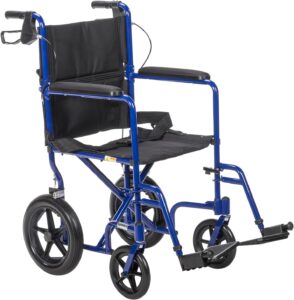
Drive Medical Lightweight Expeditio…
The Drive Medical Lightweight Expedition Folding Transport Wheelchair is engineered to deliver dependable mobility support for…
💜 Travel Smarter Tip
The best trip isn't the one where everything goes perfectly—it's the one you planned well enough to enjoy despite the unexpected.
Travel Smarter. Move Easier. Explore with Confidence.
💜 Ready for Your Next Adventure?
Practical travel tips, helpful resources, and recommended gear for travelers with limited mobility.