
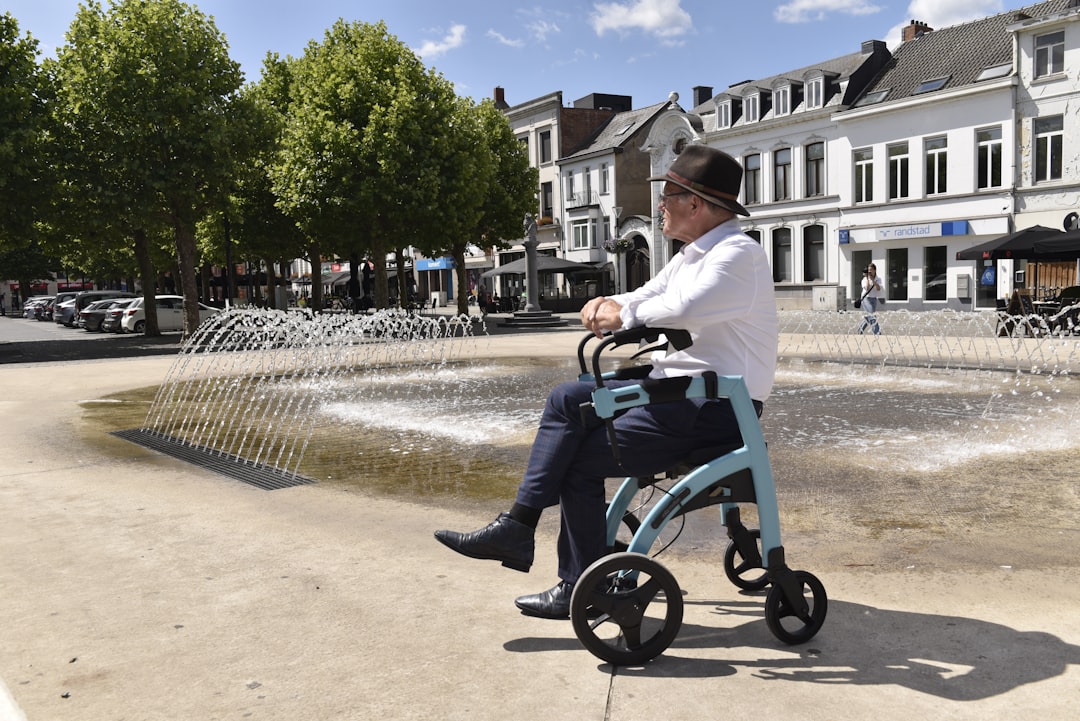
How to Travel With a Walker or Rollator More Comfortably
Traveling with a walker or rollator doesn’t have to mean stress, stiffness, or sitting out of activities. With the right gear, packing strategy, and a few practical habits, you can keep mobility, comfort, and independence on the road.
This guide covers choosing travel-friendly equipment, packing smart, keeping medications and belongings accessible, and simple on-the-go adjustments that make long days easier. Read the sections that apply to your trip and use the checklist before you go.
Choose the right walker or rollator for your trip
Start by matching the device to your travel needs. If you’ll be walking longer distances over mixed surfaces, prioritize stability and larger wheels. For short walks and compact storage, focus on lightweight, foldable frames. If you want purchase options that may be reimbursable, look for reliable models on the market such as FSA HSA Eligible Walkers that meet both travel and budget needs.
Pick a travel-friendly folding model
Foldability and weight matter: a walker that collapses compactly fits in car trunks and hotel closets and is easier to lift into taxis. Test how easily the folding mechanism locks and unlocks while seated. If you prioritize a compact, travel-ready walker, consider lightweight options in the Affordable Folding Walkers category for a balance of cost and portability.
Consider rollators designed for travel
Rollators with seats are great for sightseeing days—rest stops are instantly available. Look for models with quick folding, removable bags, and secure brakes. Travel-centric rollators often trade some weight for convenience; if that fits your trip plan, check compact travel rollator selections such as the Affordable Travel Rollators.
Pack smart: storage and organization
Organize clothing and gear so you can reach essentials without unloading your bag onto the floor. Compression packing cubes compress contents, fit into small luggage compartments, and make it easy to grab outfits or assistive-device extras quickly. Add a set of Packing Cubes to your suitcase for tidy, accessible packing.
Keep medications and essentials accessible
Access to medications and small supplies matters when schedules change. Use waterproof, clearly labeled pouches for daily doses and carry a small day pouch in your rollator basket or attached bag. For reliable protection and organization, consider the Waterproof Pill Pouch Set 2026 which keeps medications dry and grouped by day.
Comfort when sitting: cushions and seat tips
Many rollators’ seats are compact and firm; a thin cushion can prevent pressure points during long waits. Test seat height relative to your leg length to ensure stable sit-to-stand transfers. A travel-friendly cushion improves comfort without bulk—look at compact options under Affordable Seat Cushions for lightweight, portable choices.
Attachments, bags and accessories
Accessories enhance functionality: secure storage bags, cup holders, umbrella mounts, and safety lights make independent travel smoother. Choose a durable, washable bag that fits your device and holds essentials without shifting. The Vive XL Wheelchair Accessories Bag is an example of a roomy, weather-resistant option that attaches securely and keeps items organized and off the ground.
Airport, transit, and hotel tips for smoother mobility
Plan transport and accommodation in advance: ask airlines about gate-checking procedures for walkers/rollators and request early boarding if you need more time. In trains or buses, identify level boarding options or ramps on the carrier’s website. Once at your hotel, use closet space or company-provided storage; consider a protective cover or a simple tote. For compact storage and protection, invest in a dedicated carrier like those in the Wheelchair Storage Bags category to keep your device clean and easy to handle.
On-the-road maintenance and safety
Before each day: check brakes, tires, folding locks, and any straps or mounting points. Bring a small repair kit (allen keys, spare nuts, a compact tire pump if applicable). If you’ll be outdoors, plan routes that avoid long stretches of uneven ground when possible and identify nearby resting spots. Label your device with contact info and keep a list of local repair shops or rental services for emergencies.
Quick checklist before you leave
- Confirm your walker/rollator is travel-friendly (folds, locks, fits trunk or closet).
- Pack medications in waterproof labeled pouches and place a day kit in your carry bag.
- Add a thin seat cushion for long waits or tours.
- Secure a weather-resistant accessories bag to hold phone, wallet, and paperwork.
- Test folding/unfolding and brake operation before departure.
- Reserve accessible transport and notify carriers of mobility equipment needs.
FAQ
Q: Can I bring my rollator through TSA and on a plane?
A: Yes—most airlines allow rollators and walkers. Notify the airline in advance, gate-check at boarding, and ask about any specific packaging. Carry essential items and medications in your carry-on.
Q: How do I protect my walker during checked transport?
A: Use a protective cover or dedicated storage bag to prevent scratches and keep parts from snagging. Secure loose parts and remove accessories that could break in transit.
Q: What if my rollator won’t fit in a taxi or rideshare?
A: Choose a foldable model that compacts easily; fold it into the trunk or ask the driver for help lifting. If necessary, request a larger vehicle through the rideshare app or call a wheelchair-accessible service.
Q: Are travel rollators less stable than full-size models?
A: Some compact travel rollators trade weight and wheel size for portability. Pick a model that balances stability and folding convenience for your typical travel terrain and personal balance needs.
Q: How should I store my walker or rollator in a hotel room?
A: Fold it and place it in a closet or against a wall out of the way of foot traffic. Use a storage bag or a towel underneath to avoid scuffs and protect hotel flooring.
Conclusion
Traveling with a walker or rollator becomes straightforward when you choose the right device, organize thoughtfully, and follow a few simple safety checks. Prepare your meds, pack organized, add a seat cushion, and use a secure accessory bag—and you’ll be ready to enjoy the trip with greater comfort and confidence.
Products Featured in This Article
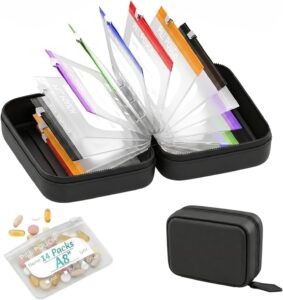
Waterproof Pill Pouch Set 2026, Wat…
Specifications:Product Name: Waterproof Pill Pouch Set-14Pcs Bags InsideMaterial : PU Waterproof ShellColor: Black/GreenSize : 5.9*2.3*4.3inchWeight :…
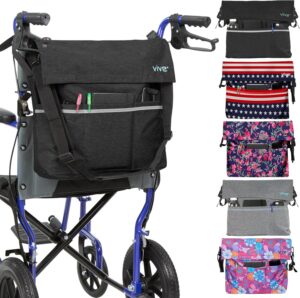
Vive XL Wheelchair Accessories Bag …
Product description The video showcases the product in use.The video guides you through product setup.The video…