
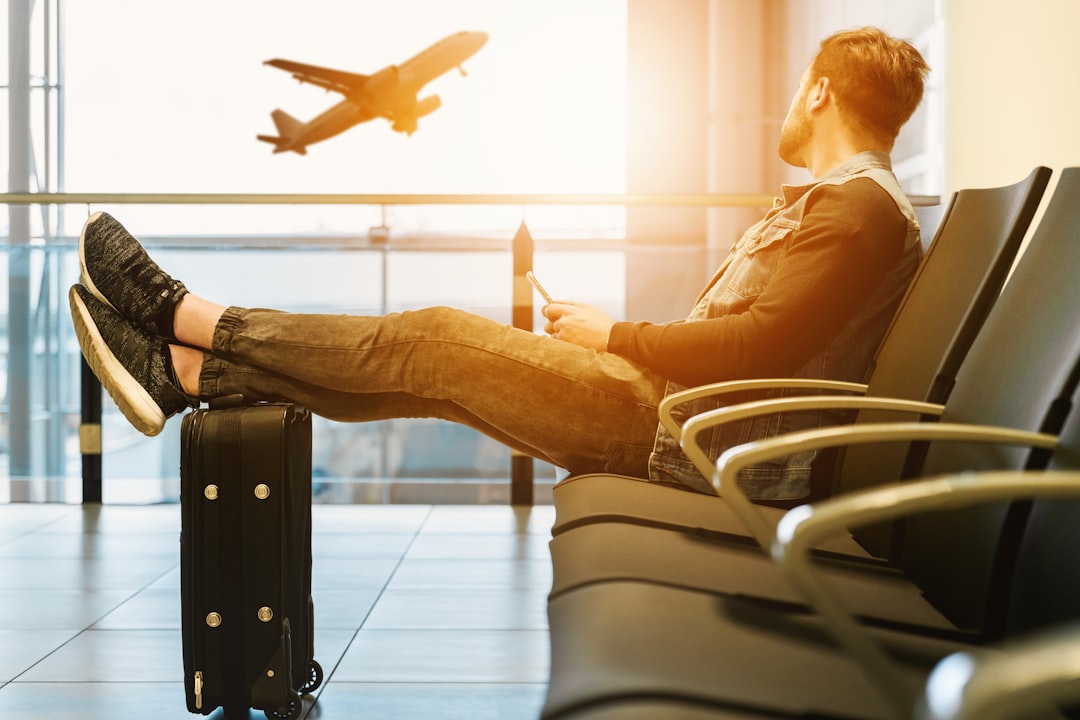
How to Stay Comfortable During Long Flights or Train Rides
Long trips can be exhausting both physically and mentally. Whether you’re on a red-eye flight or a cross-country train, smart preparation makes the difference between arriving refreshed and arriving stiff, sore, and worn out.
This guide focuses on practical, evidence-based tips that travelers—especially those using mobility aids or managing medications—can use to stay comfortable for hours on the move.
Choose the right seat and manage your posture
Whenever possible, pick a seat with extra legroom or aisle access so you can change position and stand occasionally. If seat selection is limited, small adjustments help: sit with your hips pushed back, keep knees slightly lower than hips when possible, and use a lumbar support to reduce low-back strain.
For longer journeys, consider adding a seat cushion designed to relieve pressure and promote posture. A supportive cushion can reduce numbness and protect lower-back and tailbone comfort—use the Extra Large Seat Cushion for Sciatica & Tailbone Pain for robust support during multi-hour trips.
Support your neck and head
Preventing neck strain is one of the easiest ways to stay comfortable. U-shaped travel pillows are helpful, but pick one that supports your head without tipping it forward or to the side. Soft, compressible options pack easily and can be used both on planes and trains.
If you prefer a budget-friendly option for short naps, browse the selection of Affordable Travel Pillows to find a balance of support and packability.
Keep circulation moving: stand, stretch, and use compression
Staying seated for long stretches increases stiffness and the risk of swelling. Stand and walk when possible—on trains, use vestibules or car transitions; on flights, get up every 60–90 minutes where practical. Add simple in-seat exercises: ankle circles, seated marches, and calf raises to encourage blood flow.
For travelers prone to swelling or who want extra circulation protection, graduated compression socks are a reliable, low-effort solution. Consider the travel-ready Laite Hebe 4 Pairs Compression Socks—they’re designed to improve circulation and reduce fatigue on long trips.
Manage medications, hydration, and comfort essentials
Plan medication timing around travel, pack necessary medications in carry-on, and keep a small supply accessible. Keep a refill of pain reliever, antacids, or any prescribed meds handy in an organized pouch to avoid rummaging mid-trip.
A waterproof, clearly labeled pill pouch keeps doses dry and organized; the Waterproof Pill Pouch Set 2026 is compact and easy to access during travel.
Hydration matters: sip water frequently, limit alcohol and excess caffeine, and use a reusable bottle that fits your carrier. If you have overnight plans, a small toiletry kit with a toothbrush and face wipes can refresh you between long stretches; pack it in an easy-access bag so you can freshen up before landing or disembarking.
Pack smart: organization for quick access
Organization reduces stress and keeps comfort items at hand. Use packing cubes or compression organizers to separate clothes, chargers, and comfort gear so you don’t have to dig through your bag mid-journey.
Compression packing cubes like the Aerotrunk Compression Packing Cubes shrink bulk and keep essentials visible and reachable, making it quicker to pull a pillow, socks, or medications when you need them.
Traveling with mobility aids: planning and storage
If you use canes, walkers, or wheelchairs, coordinate with carriers for assistance and storage options before travel. Many services allow gate check or specialized handling—arrange these in advance for smoother boarding and transfer.
For cane users, compact travel options fit overhead or into a carry bag. Review FSA/HSA eligible support options like the FSA HSA Eligible Canes category for foldable, airline-friendly models that balance stability and portability.
Keep essentials organized on board
A small carry pouch for health and hygiene reduces the need to access larger luggage during travel. Use a dedicated medical travel bag for prescriptions, spare batteries, and first-line comfort items so everything is in one place.
Consider a purpose-built Medical Travel Bags to store critical items securely and accessibly while moving through terminals or between train cars.
Small extras that make a big difference
Bright overhead lights, noisy neighbors, and fluctuating cabin temperatures are common annoyances. Pack a few extras that improve sleep and calm: earplugs, a lightweight blanket or scarf, a sleep mask, and a compact toiletry kit for freshening up. Keep toiletries and small items accessible in a durable toiletry bag so you can clean up quickly during stops or before arrival.
Browse tidy, travel-friendly options in the Toiletry Bags selection to pick a size and style that works for your route and needs.
Quick checklist before you board
- Reserve a seat with legroom or aisle access if possible.
- Pack neck pillow and seat cushion; place them in carry-on.
- Wear or pack compression socks to reduce swelling.
- Keep medications in a waterproof, clearly labeled pouch.
- Use packing cubes to separate comfort items from clothes.
- Confirm mobility-aid handling with the carrier and label any equipment.
- Bring hydration, snacks, earplugs, and a sleep mask.
FAQ
- Q: How often should I stand or move on a long flight?
A: Aim to stand or walk briefly every 60–90 minutes if allowed and safe; when seated, do ankle and leg exercises regularly to encourage circulation. - Q: Can compression socks be worn all day during travel?
A: Many people wear graduated compression socks for the duration of travel; choose the correct size and compression level for comfort and consult a clinician if you have specific vascular concerns. - Q: Where should I store my medications during a long trip?
A: Keep medications in your carry-on in a waterproof, labeled pouch so they remain accessible and protected from spills or lost luggage. - Q: Are travel pillows worth it for short naps?
A: Yes—compact travel pillows can make short naps more restful by supporting the neck and preventing awkward head positions that cause strain. - Q: How do I travel with a cane or walker on a plane or train?
A: Contact your carrier ahead of time to review handling and storage policies; consider foldable or travel-specific models that are easier to stow.
Conclusion
Comfort on long flights and train rides comes down to preparation: protective supports (pillows, cushions), circulation-friendly habits (movement, compression socks), organized access to meds and essentials, and planning for mobility needs. Pack thoughtfully, prioritize movement, and keep key items within reach to arrive more comfortable and ready for the next step of your journey.
Products Featured in This Article
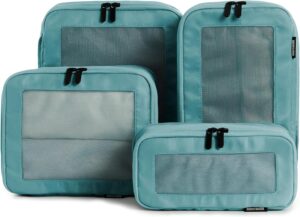
Aerotrunk Compression Packing Cubes…
From the brand Trending Colors How did we get our start? We started our journey in…
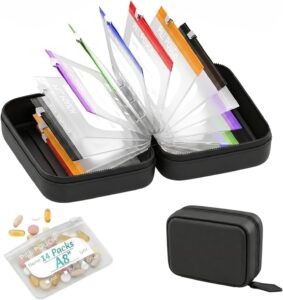
Waterproof Pill Pouch Set 2026, Wat…
Specifications:Product Name: Waterproof Pill Pouch Set-14Pcs Bags InsideMaterial : PU Waterproof ShellColor: Black/GreenSize : 5.9*2.3*4.3inchWeight :…

Extra Large Seat Cushion for Sciati…
Product description Designed for Sciatica. Engineered for 10-Hr Relief 15.8% Wider. 100% Inclusive 19.69″ wide (15.8%…
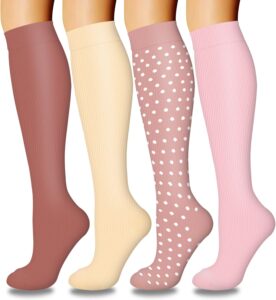
Laite Hebe 4 Pairs-Compression Sock…
Product description Graduated Compression — The Benefits are Clear. Our designs make these support stockings both…
💜 Travel Smarter Tip
The best trip isn't the one where everything goes perfectly—it's the one you planned well enough to enjoy despite the unexpected.
Travel Smarter. Move Easier. Explore with Confidence.
💜 Ready for Your Next Adventure?
Practical travel tips, helpful resources, and recommended gear for travelers with limited mobility.