
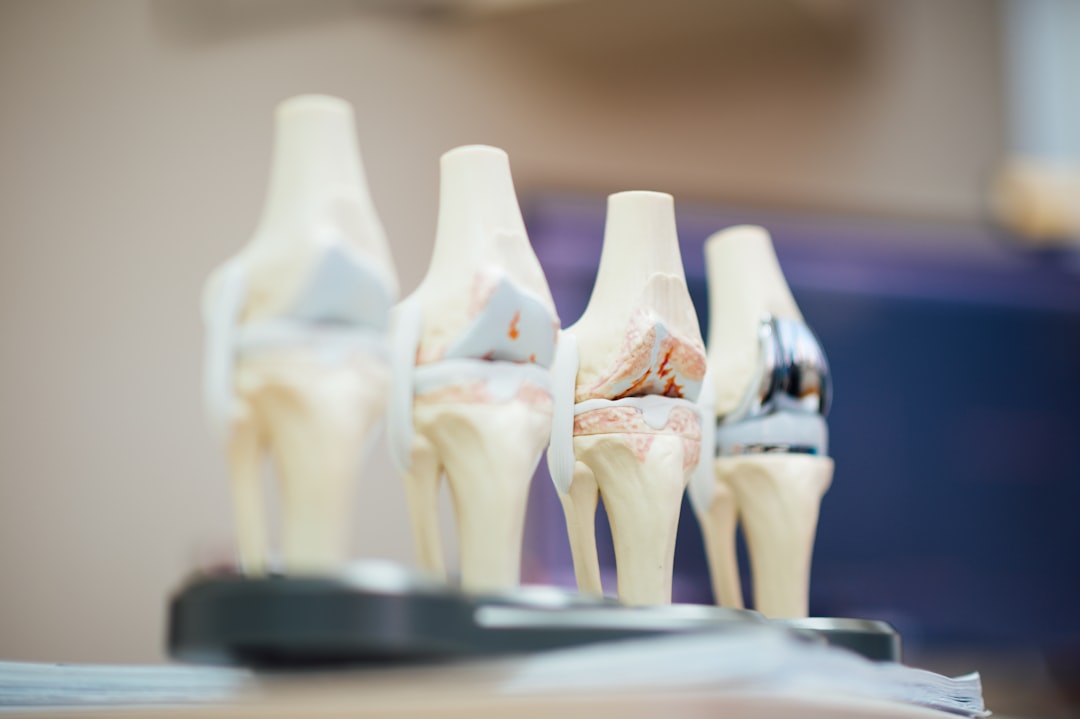
How to Prepare for a Trip After Knee Replacement
Travel after knee replacement can feel daunting, but with the right planning you can stay safe, comfortable, and independent. This guide focuses on practical steps—before, during, and after travel—to reduce pain, protect your new knee, and keep your trip enjoyable.
These tips apply whether you’re flying, driving, or taking a train. Read through each section, use the checklist, and adapt suggestions to your surgeon and physical therapist’s guidance.
1. Get medical clearance and plan timing
Talk to your surgeon and physical therapist about your travel timeline. Many people can travel short distances a few weeks after surgery, but long flights or trips that require lots of walking are better after you have solid strength and range of motion.
Ask for a letter summarizing your surgery, mobility limitations, and any medications (including blood thinners) to present at the airport or if you need urgent care while away. Also confirm what to do if swelling or wound issues arise on the road.
2. Choose and test mobility aids before you go
Using reliable, travel-friendly mobility aids makes moving around much easier. If you plan to use a cane, choose one that folds and travels well—consider a compact model like the REHAND Walking Cane and practice walking on different surfaces at home and at therapy.
If you need more support for longer distances, try a lightweight folding walker or rollator during local walks before your trip. A folding walker such as the Drive Medical Two-Button Folding Walker or a travel rollator like the PLANET WALK Super Lightweight Rollator gives stability plus a seat for rest breaks. Book and test any mobility rental options ahead of time if you won’t bring your own.
3. Pack medications and organizers smartly
Bring all prescriptions in their original containers and carry a copy of your medication list and dosing schedule. For daily organization, use a reliable pill organizer that’s easy to access during travel—models like the MOLN HYMY Large Pill Organizer are compact and keep doses clear during busy days.
Keep pain medication and any emergency supplies in your carry-on or day bag so they’re available if plans change or you’re delayed.
4. Reduce swelling: socks, seating, and movement
Swelling (edema) is common after knee replacement, especially on long travel days. Graduated compression socks help circulation and can reduce swelling during flights or long drives—consider travel-friendly compression options such as Laite Hebe compression socks. Wear them during transit and for the first few days at your destination if advised by your clinician.
Use a firm travel seat cushion to protect your tailbone and maintain comfort when seated for long periods; a product like the Extra Large Seat Cushion for Sciatica can make long car rides or plane seats far more comfortable.
5. Plan bathroom safety and hotel setup
Bathroom access and shower safety are major concerns after knee surgery. If steps into bathtubs or slippery surfaces are likely, bring or request a shower chair. Compact, travel-ready options like the FSA/HSA Eligible Shower Chair provide stability and confidence when bathing away from home.
Confirm the hotel can provide or accommodate grab bars, a roll-in shower, or a ground-floor room if stairs are hard. If you use a wheelchair or transport chair, protect it during travel and use a dedicated wheelchair travel bag to minimize damage and avoid delays when checking at airport counters.
6. Airport, parking, and transit strategies
At the airport, request wheelchair assistance in advance if you have difficulty with long walks between gates. If you can walk short distances with stops, arrange early boarding to settle in without rushing. Carry a comfortable travel cane or collapsible support in your carry-on for terminal use.
If you drive, choose parking spots close to the entrance or use curb-to-door drop-offs. For public transit, identify elevators and ramps on your route and give yourself extra time for transfers and rest breaks.
7. Packing tips for comfort and independence
Pack a lightweight day bag with essentials: water bottle, snacks, medication, phone charger, splint or brace if used, and a compact first-aid kit. Consider a small wheelchair accessories bag for those who use transport chairs to keep items organized and accessible—something like the Vive XL Wheelchair Accessories Bag.
Place heavier items in checked luggage to reduce strain on your knee when lifting, and use luggage with sturdy wheels and a telescoping handle you can roll rather than carry.
8. Keep rehab on the road: exercises and pacing
Maintain your home exercise program while traveling. Gentle range-of-motion, ankle pumps, and short, frequent walks prevent stiffness and support recovery. Limit long standing intervals; sit when needed and elevate your leg when possible to reduce swelling.
Plan activities with realistic goals—build in rest days and choose tours or routes with seating options and minimal steep stairs. Check in virtually with your physical therapist if you notice setbacks or unusual pain.
Quick checklist before you leave
- Medical clearance and printed surgery summary
- Medications in carry-on + pill organizer
- Foldable cane or walker tested pre-trip (cane, walker)
- Compression socks packed (compression socks)
- Shower chair reserved or packed (shower chair)
- Seat cushion for long rides (seat cushion)
- Mobility gear protected with a wheelchair travel bag if needed (wheelchair travel bags)
FAQ
-
How soon after knee replacement can I travel?
Timing varies—get written clearance from your surgeon. Short trips may be possible within a few weeks; long flights or active vacations often require more recovery time.
-
Can I fly after knee surgery?
Yes in many cases if cleared by your surgeon. Use compression socks, move frequently during flight, and carry medications in your carry-on.
-
What mobility aid should I take?
Bring whichever aid gives you safe mobility at home and during therapy—folding canes, walkers, or rollators are common. Test them before travel.
-
How do I manage swelling on long travel days?
Wear compression socks, elevate your leg when possible, do ankle pumps, and plan rest breaks.
-
Will hotels provide shower chairs or grab bars?
Some do—call ahead to confirm. If not available, bring a portable shower chair or request a ground-floor/accessible room.
Conclusion
With surgeon approval, the right mobility aids, thoughtful packing, and pacing, travel after knee replacement is achievable and enjoyable. Prepare in advance, test your equipment, and prioritize rest and rehab on the road—small adjustments make a big difference in comfort and safety.
Products Featured in This Article
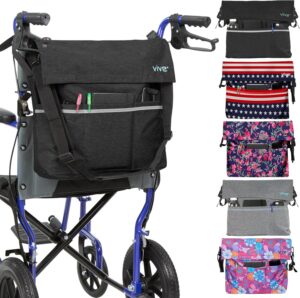
Vive XL Wheelchair Accessories Bag …
Product description The video showcases the product in use.The video guides you through product setup.The video…
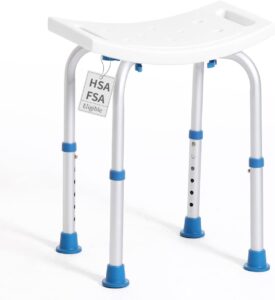
FSA/HSA Eligible Shower Chair for I…
From the brand Swipe left for more product SHOWER CHAIR BASIC SEIRES SHOWER CHAIR BACKREST SERIES…
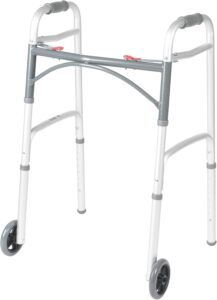
Drive Medical Two-Button Folding Wa…
The Drive Medical Two-Button Folding Walker with Wheels is built for adults and seniors who need…

Extra Large Seat Cushion for Sciati…
Product description Designed for Sciatica. Engineered for 10-Hr Relief 15.8% Wider. 100% Inclusive 19.69″ wide (15.8%…

Laite Hebe 4 Pairs-Compression Sock…
Product description Graduated Compression — The Benefits are Clear. Our designs make these support stockings both…

MOLN HYMY Large Pill Organizer 2 Ti…
Product description Brand Concept of MOLN HYMY MOLN HYMY [məʊn haɪmi]. MOLN means cloud in Sweden,…
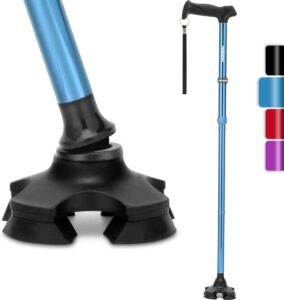
REHAND Walking Cane for Men & …
From the brand REHAND MAKES LIFE BETTER Rehand is a leading designer, developer & manufacturer of…
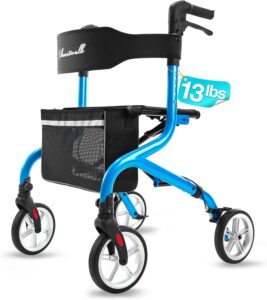
PLANET WALK Super Lightweight Rolla…
Product description The video showcases the product in use.The video guides you through product setup.The video…