

Travel opens doors even when long walks are hard. With the right planning, equipment, and small adjustments, you can enjoy days out, tours, and family visits without exhausting yourself.
This guide walks you through practical steps to plan a comfortable trip when walking long distances is difficult—covering equipment choices, transport, packing, pacing, and everyday strategies that reduce strain and increase enjoyment.
Assess your mobility needs and set realistic goals
Start by listing what you can do comfortably: how far you can walk, how many stairs you can manage, and how long you can stand. Plan activities with realistic time buffers and prioritize the few must-see sights rather than trying to do everything. If you use a walking aid at home, consider its role while traveling and whether a lighter travel-specific option makes sense—for compact, lightweight options see Affordable Travel Canes.
Choose the right mobility device for the trip
Decide between a cane, walker, rollator, wheelchair, or scooter based on distance, terrain, and stamina. For longer days and uneven surfaces, a wheelchair or a sturdy rollator can reduce pain and fatigue. If insurance-eligible purchases are a factor, review options in the FSA/HSA category before you buy to see what may qualify: FSA HSA Eligible Wheelchairs.
Pick compact, travel-friendly rollators and walkers
If you need support but want mobility and a seat, travel rollators are a great compromise: they fold for transport and provide a convenient seat for rest stops. Look for models with easy-fold mechanisms and compact footprints so they fit in taxis or car trunks: Affordable Travel Rollators.
Plan transportation and accessible routes
Check accessibility details before you book: curb cuts, elevators, shuttle policies, and walking distances between transit stops and attractions. For longer distances where walking isn’t feasible, consider bringing or renting a compact mobility scooter that meets airlines’ and venues’ transport rules—many travel scooters fold and are designed for travel: Foldable Mobility Scooter.
Pack for comfort: cushions, pillows and rest aids
Small comfort items make a big difference during travel days and long outings. A supportive travel cushion or neck pillow reduces pressure and improves posture on long transfers or tours. Choose compact, compressible options that fit in luggage: Affordable Travel Pillows.
Medication, paperwork, and organization
Keep medications accessible, labeled, and separated by day/time. Make a simple checklist of prescriptions, doses, and emergency contacts. Use travel-specific organizers that are easy to access during transit and secure for flights. Consider reusable, waterproof pouches for pills and a durable organizer to present at security or for quick doses on the go: Self-Sealing Zipper Medicine Bags and reference eligible organizers if you plan to use pre-tax benefits: FSA HSA Eligible Medication Organizers.
Protect equipment and organize luggage for easy access
Whether you travel with a wheelchair, rollator, or scooter, protect it during transit and make storage easy at your destination. Accessory bags keep chargers, repair tools, and personal items orderly and reachable—ideal for hanging on a chair or stowing in trunks: Vive XL Wheelchair Accessories Bag.
On-the-ground strategies: pacing, rest, and asking for help
Build rest breaks into every day and choose routes with benches or cafés along the way. Ask venues in advance about drop-off areas, ramps, or elevator access. Use a buddy system for longer walks: sharing the plan, expected pace, and nearest bathroom or seating spot reduces stress. Don’t hesitate to request assistance from staff when needed—advance notices at hotels, tours, and transport providers smooth the experience.
Quick packing checklist
- Primary mobility aid + lightweight backup (if possible)
- Comfort cushion or neck pillow
- Medications in labeled organizers and waterproof pouches (example)
- Chargers, spare batteries, and accessory bag for tools (accessory bag)
- Copies of prescriptions and a brief medical summary
- Light layers, non-slip shoes, and a foldable rain layer
Booking and pre-trip tips
Call hotels and airlines to confirm accessibility features and ask about priority boarding, curbside assistance, and elevator locations. If you expect to need seating with extra legroom or a room near the elevator, request it early. For longer stays, consider renting equipment locally to avoid transporting heavy devices; for short trips, a compact rollator or travel cane may be better—see practical travel options including Affordable Travel Rollators.
Conclusion: make comfort the priority
Good planning focuses on comfort, realistic pacing, and predictable supports. Select equipment that fits your energy and the trip’s demands, pack for rest and medication access, and arrange transport and accommodation details beforehand. With a few adjustments, travel becomes more relaxing and more rewarding.
FAQ
-
Q: Should I bring my regular mobility device or rent one?
A: If your device is critical to comfort and well-fitted to you, bring it. For heavy or bulky equipment, compare rental options at your destination. Lightweight travel alternatives can make transit easier.
-
Q: How can I keep medications safe and accessible while flying?
Keep medications in carry-on in labeled organizers and waterproof pouches, bring prescriptions and a short list of drug names/dosages, and pack a pill organizer for daily dosing.
-
Q: Are travel scooters allowed on airplanes?
Many travel scooters are airline-acceptable when batteries meet airline rules. Contact the airline well in advance, and have documentation on battery type and removable battery procedures.
-
Q: What if I tire quickly during sightseeing?
Plan shorter routes, schedule more frequent breaks, prioritize must-see spots, use public transport or taxis between sites, and choose attractions with seating or cafés.
-
Q: Can I use FSA/HSA funds for travel mobility items?
Some mobility devices and organizers are FSA/HSA eligible. Check product eligibility and consult your plan administrator for qualifying purchases such as certain wheelchairs or organizers.
Products Featured in This Article
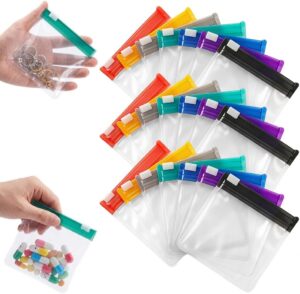
Self-Sealing Zipper Medicine Bags, …
Product description Self-Sealing Zipper Medicine Bags Item model number : YWD01 Date First Available…
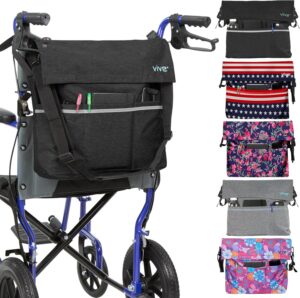
Vive XL Wheelchair Accessories Bag …
Product description The video showcases the product in use.The video guides you through product setup.The video…

Foldable Mobility Scooter for Adult…
Product description 1 Airline Approved 2 Product Size 1 Spare Battery Slot 2 Charging Method 1…
💜 Travel Smarter Tip
The best trip isn't the one where everything goes perfectly—it's the one you planned well enough to enjoy despite the unexpected.
Travel Smarter. Move Easier. Explore with Confidence.
💜 Ready for Your Next Adventure?
Practical travel tips, helpful resources, and recommended gear for travelers with limited mobility.