

How to Make Road Trips Easier With Mobility Issues
Road trips are one of the most flexible, rewarding ways to travel—especially when you can tailor every stop to your needs. When mobility issues are part of your reality, careful planning, the right gear, and a few practical habits turn a challenging trip into an enjoyable one.
This guide focuses on concrete, trustworthy steps you can take before and during your drive to reduce fatigue, increase safety, and keep independence on the road. Each section offers actionable tips and product suggestions to simplify packing, transfers, and mobility on arrival.
Plan an accessibility-first route
Start by mapping a route that minimizes long stretches without rest and prioritizes accessible rest areas, lodgings, and attractions. Factor in parking that allows close access to entrances and check for step-free routes where possible. For properties with small thresholds or single steps, a portable threshold ramp can make independent transfers far easier—consider the FACHNUO 2 Feet Portable Wheelchair Ramp when you need a compact solution for low steps.
Choose the right mobility gear for the trip
Decide whether you’ll need a transport wheelchair, rollator, cane, or scooter based on distance, terrain, and the duration of stops. For people who need occasional seated transport but want something lightweight and compact for the car, a folding transport wheelchair is often ideal—the Drive Medical Lightweight Expedition Folding Transport Wheelchair is a good example of a travel-friendly option designed to fold compactly for storage.
Pack medications and essentials so they’re always within reach
Designate one easy-access bag in the vehicle for daily medications, spare chargers, identification, and a list of medical needs. Waterproof pouch sets keep pills dry and organized and are simple to pull out during stops—try the Waterproof Pill Pouch Set 2026 for travel-sized organization.
Make the car comfortable and reduce pressure points
Long drives can be brutal on joints and pressure-sensitive areas. Use supportive cushions and position changes to prevent pain and numbness. A firm, contoured seat cushion that redistributes pressure can make hours behind the wheel or in the passenger seat tolerable; an extra-large seat cushion for sciatica and tailbone relief is worth testing before the trip.
Organize gear so transfers and stops stay quick
Keep frequently used items segregated and labeled—phone chargers, sun hat, wet wipes, spare socks, and a small first-aid kit should be separated from bulk luggage. A wheelchair accessories bag that hangs on the back or side of a chair keeps essentials accessible without bending or reaching into the trunk; a product like the Vive XL Wheelchair Accessories Bag is built for that purpose.
Select mobility aids suited to outings and terrain
For short walks on even pavement, a sturdy folding cane or a lightweight rollator can provide confidence and rest opportunities. A compact, foldable cane that fits into a bag or under a seat is useful when space is tight—consider a reliable travel cane such as the REHAND Folding Walking Cane for easy storage and quick deployment.
Handle airports and long stops with mobility-friendly choices
If your road trip includes airports or long pedestrian areas, an ultra-light mobility scooter can reduce walking and speed transfers. For travelers who want longer range without heavy setup, look at compact, airline-friendly scooters like the Paiseec L5 Mobility Scooter, which folds down for vehicle storage and can help cover larger walking distances at rest stops or terminals.
Packing strategy: what to keep in the car vs. checked luggage
Separate “daily” and “bulk” items. Daily items stay in the passenger area or a top-access compartment; bulk items live in the trunk. A rolling duffel or wheeled bag makes loading and unloading curbside much faster than multiple small bags—pack your primary mobility clothing and a backup layer in a bag such as the Wrangler Wesley Rolling Duffel Bag for easy transport between car and room.
Checklist: Essentials for a mobility-friendly road trip
- Daily meds in a waterproof pill pouch and a printed medication list
- Primary mobility device + foldable backup (cane/rollator) and any spare parts
- Comfort items: seat cushion, layered clothing, compression socks
- Accessible packing: one top-access bag with essentials
- Portable ramp or entry aid for low steps
- Wheelchair accessories bag or organizer for small items
- Chargers, power bank, and phone mount for navigation
- Contact info for destinations and local emergency services
FAQ
Q: How often should I stop on long drives?
A: Aim to stop every 60–90 minutes to stand, stretch, sit out of the car briefly, and hydrate. Short breaks reduce stiffness and fatigue.
Q: What’s the best way to transfer from car to chair?
A: Use a transfer belt if trained, position the chair close with brakes engaged, and remove armrests or leg rests as needed. If possible, practice at home before travel and ask a travel companion to assist.
Q: How can I keep medications safe in hot weather?
A: Store meds in insulated pouches away from direct sunlight. Use a cooler for temperature-sensitive prescriptions and move them into air-conditioned passenger area during stops.
Q: What if a hotel room isn’t accessible?
A: Call ahead to request modifications or a different room. If necessary, ask for a ground-floor room, a room near elevators, or a room with roll-in features. Pack a small portable ramp for thresholds when feasible.
Q: Is it better to bring a mobility scooter or rent on-site?
A: If you need consistent support and want familiarity with the device, bringing your own is best. For occasional use or if airline/car storage is an issue, renting locally may be more convenient.
Conclusion
With intentional planning, the right compact gear, and thoughtful packing, road trips can remain enjoyable and empowering. Pick a few load-bearing changes—like an organized medication pouch, a travel-friendly wheelchair or cane, and a comfortable seat cushion—and you’ll reduce stress and stay on the road longer.
Practical takeaway: create a “car essentials” kit before you leave—meds in a waterproof pouch, a cushion, your mobility device, and a small accessories bag—so the most important items are always at arm’s reach.
Products Featured in This Article
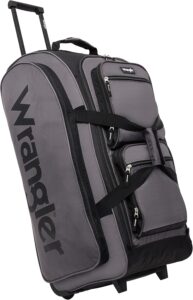
Wrangler Wesley Rolling Duffel Bag
Wrangler 30″ Upright wheeled rolling travel duffle bag with more packing space than luggage. Best use…
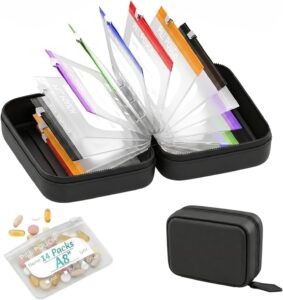
Waterproof Pill Pouch Set 2026, Wat…
Specifications:Product Name: Waterproof Pill Pouch Set-14Pcs Bags InsideMaterial : PU Waterproof ShellColor: Black/GreenSize : 5.9*2.3*4.3inchWeight :…
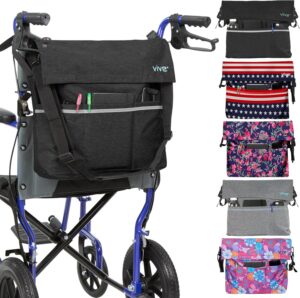
Vive XL Wheelchair Accessories Bag …
Product description The video showcases the product in use.The video guides you through product setup.The video…

Extra Large Seat Cushion for Sciati…
Product description Designed for Sciatica. Engineered for 10-Hr Relief 15.8% Wider. 100% Inclusive 19.69″ wide (15.8%…
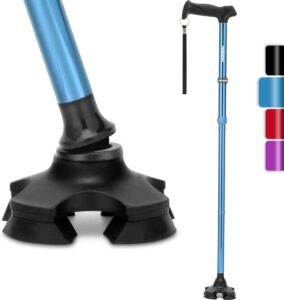
REHAND Walking Cane for Men & …
From the brand REHAND MAKES LIFE BETTER Rehand is a leading designer, developer & manufacturer of…
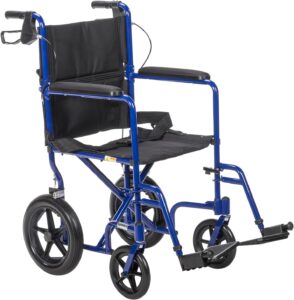
Drive Medical Lightweight Expeditio…
The Drive Medical Lightweight Expedition Folding Transport Wheelchair is engineered to deliver dependable mobility support for…
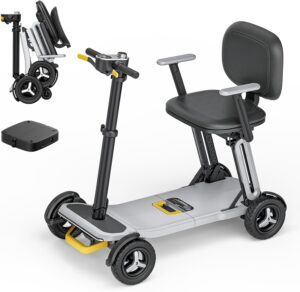
Paiseec L5 Mobility Scooter 32 lbs …
Product description $400 OFF L5 Dual Battery – 30 Miles, 32 lbs, 1‑Second Fold – Prime…
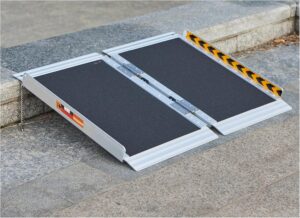
FACHNUO 2 Feet Portable Wheelchair …
Product description 1 High Quality Material 2 Stainless Latch 3 Bottom Protective Glue 4 Portable Handle…
