
How to Make Long Travel Days Easier on Your Back
Long travel days test even the most resilient spines. Whether you’re flying cross-country, driving several hours, or taking a day of trains and buses, prolonged sitting, cramped posture, and hauling gear can leave your back sore and stiff.
This guide gives practical, actionable steps to protect your back on long travel days—what to bring, how to sit, and small habits that make a big difference. Use these tips before, during, and after travel to reduce pain, preserve energy, and arrive ready to enjoy your destination.
1. Choose the right neck and head support
Neck strain from sleeping upright or holding your head at odd angles is a common travel complaint. A compact travel pillow supports cervical alignment and reduces compensatory tension in the upper back and shoulders. Look for pillows that maintain shape and fit your preferred sleeping position—side-leaning, chin-tucking, or upright nap.
For portable, budget-friendly options, consider affordable travel pillows that pack small and still deliver support.
2. Improve seat comfort with the right cushion
Sitting for hours transfers pressure to your lower back and tailbone. A seat cushion that relieves pressure and promotes pelvic tilt can reduce lumbar strain and sciatica flare-ups. Memory foam wedges or coccyx cut-out cushions help distribute weight and encourage a slight anterior pelvic tilt, preserving the natural lumbar curve.
If you expect long drives, flights, or train rides, an extra-large pressure-relief cushion is a simple investment to reduce discomfort: Extra Large Seat Cushion for Sciatica works well on car seats, airplane seats, and public benches.
3. Maintain circulation—use compression socks
Long periods of sitting can lead to poor circulation, swelling, and increased deep muscle fatigue. Graduated compression socks support venous return, reduce swelling, and help prevent leg fatigue that forces the lower back to compensate.
If you’re traveling several hours, pack a pair of compression socks to wear during transit and change into looser footwear once you stop: affordable compression socks provide good support without breaking the bank.
4. Plan regular movement and micro-breaks
Frequent short breaks beat a long uninterrupted sit. Set a timer for 30–45 minutes during car trips or when you’re able to stand on a train or plane. Stand, march in place, do gentle spinal twists, and perform lumbar extensions to counter flexion from sitting. Even 2–3 minutes of movement resets muscle tension and reduces stiffness.
If you have limited mobility or anticipate fatigue, plan routes with rest opportunities and seats near exits so you can move more freely between transit segments.
5. Use mobility aids when needed and pack smart
If walking long distances or standing in lines aggravates your back, a travel cane can provide balance and offload. Choose a lightweight, adjustable cane that folds for storage so it’s easy to stow when not in use.
Consider options like the FSA/HSA eligible canes for a compliant, comfortable support option that fits tight travel schedules and airline rules.
6. Opt for rollators, walkers, or travel wheelchairs when appropriate
For longer days with lots of walking or standing, a rollator or lightweight walker reduces load on the back and legs, provides a seat when you need to stop, and stores essentials within easy reach. Compact travel rollators fit in trunks and larger vehicles and are far more comfortable than powering through an entire day on your feet.
Travel-ready options like affordable travel rollators are designed to fold quickly and include seats for mid-trip rests.
7. If you require a wheelchair, pick a travel-friendly model
A lightweight, foldable transport wheelchair can be a backbone-saver on long transit days, offering a seated option when walking or standing is painful. Transport chairs with hand brakes and compact folds are easier to manage in airports, stations, and cars.
When a wheelchair is the best solution for long travel days, consider a portable model such as the Drive Medical Lightweight Expedition folding transport wheelchair which balances portability with durability.
8. Keep meds, cushions, and accessories organized
When pain or stiffness flares, quick access to medication, compression items, heat patches, and small supports is essential. A compact travel medicine organizer and a good wheelchair or rolling-bag storage system save time and reduce awkward reaching or bending that worsens back pain.
Pack pills and small items in a waterproof pouch to prevent spills: Waterproof Pill Pouch Set. For those using mobility equipment, a dedicated travel bag keeps cushions and accessories secure: wheelchair travel bags fit neatly in trunks and storage compartments.
On-the-go posture and stretching tips
Small adjustments to posture while seated make a big difference. Sit with your knees slightly lower than your hips, avoid slouching, and bring your shoulders back and down. Use lumbar support (either a rolled towel or a dedicated cushion) to maintain curve in your lower back. Between transfers, perform seated cat-cow, gentle neck rolls, and ankle pumps to keep joints mobile and blood flowing.
- Set alarms to stand every 30–45 minutes.
- Bring a compact lumbar roll or seat cushion.
- Wear compression socks on flights or long drives.
- Pack medication and small supports in an easy-access pouch.
- Use mobility aids (cane, rollator, wheelchair) when distance or standing is taxing.
FAQ
Q: How often should I stand or move on a long trip?
A: Aim for movement every 30–45 minutes. Even brief standing, walking, or stretching reduces pressure and stiffness.
Q: Will a seat cushion really help my lower back?
A: Yes—an ergonomic seat cushion redistributes pressure, supports pelvic tilt, and can reduce lumbar strain during prolonged sitting.
Q: Are compression socks only for flights?
A: No. Compression socks help circulation during any long period of sitting or standing—flights, long drives, and day-long itineraries.
Q: What’s best if I get stiff on arrival?
A: Gentle walking, warm shower, and light stretching focused on the hips, hamstrings, and lumbar spine usually help. Use heat and medication as prescribed by your clinician.
Q: Can I bring a rollator or wheelchair through an airport?
A: Yes—many travel-ready rollators and transport wheelchairs fold for stowage and are designed for airports. Check airline policies and arrive early to coordinate assistance.
Checklist before a long travel day
- Pack a travel pillow and lumbar support cushion.
- Bring compression socks and comfortable shoes.
- Charge any mobility-device batteries and pack chargers.
- Organize medications in a waterproof pouch for easy access.
- Plan rest stops and allow extra transition time.
- If needed, reserve assistance for airports or stations in advance.
Practical takeaway: prioritize posture, movement, and simple supportive gear. Small adjustments—quality seat support, scheduled breaks, and a lightweight mobility aid or organizer—add up to far more comfortable travel days and fewer back setbacks.
Products Featured in This Article
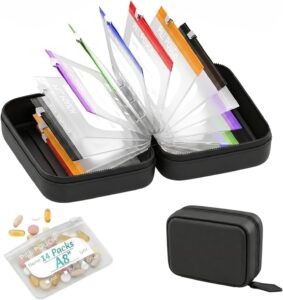
Waterproof Pill Pouch Set 2026, Wat…
Specifications:Product Name: Waterproof Pill Pouch Set-14Pcs Bags InsideMaterial : PU Waterproof ShellColor: Black/GreenSize : 5.9*2.3*4.3inchWeight :…

Extra Large Seat Cushion for Sciati…
Product description Designed for Sciatica. Engineered for 10-Hr Relief 15.8% Wider. 100% Inclusive 19.69″ wide (15.8%…
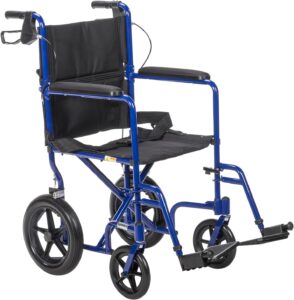
Drive Medical Lightweight Expeditio…
The Drive Medical Lightweight Expedition Folding Transport Wheelchair is engineered to deliver dependable mobility support for…
💜 Travel Smarter Tip
The best trip isn't the one where everything goes perfectly—it's the one you planned well enough to enjoy despite the unexpected.
Travel Smarter. Move Easier. Explore with Confidence.
💜 Ready for Your Next Adventure?
Practical travel tips, helpful resources, and recommended gear for travelers with limited mobility.