

Helpful Travel Tips for People With Arthritis
Travel with arthritis is entirely possible with good planning and a few smart adjustments. The key is to reduce strain, manage medication and pacing, and bring or arrange the right equipment so pain and stiffness don’t derail your trip.
Below are practical, actionable tips gathered from experienced travelers and mobility experts to help you plan, pack, and enjoy your journey while keeping comfort and safety front and center.
Plan mobility needs before booking
Start by assessing how much walking, standing, and stair-climbing your itinerary will demand. If you rely on a cane for balance or short distances, consider a lightweight model designed for travel so it folds easily into luggage or a carry-on. For compact, travel-friendly options, look into affordable travel canes that balance stability with portability.
Pack and organize medications and paperwork
Keep medications, dosing schedules, and any medical paperwork together and easy to access. Use small, waterproof, clearly labeled pouches and bring an extra supply in checked luggage in case of delays. A set of self-sealing zipper medicine bags helps separate doses, protect pills from moisture, and makes security checks smoother.
Choose seats and cushions that reduce pressure
Sitting for long periods aggravates joint pain for many people with arthritis. Bring a supportive cushion to protect hips and tailbone on planes, buses, and long car rides. A travel-sized, contoured cushion can make a major difference; consider an extra-large option made for long sitting sessions, like the extra large seat cushion for pressure relief and comfort.
Airport strategies and wheelchair logistics
If you use a wheelchair or need assistance moving through an airport, notify your airline at booking and again 48–72 hours before departure. Request gate-to-gate assistance if walking between gates will be difficult. For trips that require checking a personal wheelchair, protect it with a durable cover and storage solution—specialized wheelchair travel bags help prevent damage and make handling easier for you and airline staff.
Bathroom safety at hotels and rentals
Bathrooms are a common hazard; wet surfaces and high shower steps can increase risk. When booking, ask about bathroom accessibility, grab bars, and walk-in showers. If the property lacks suitable fixtures, pack a portable solution or arrange for one to be available at your destination. Lightweight, foldable portable shower chairs provide stability for showering and are easy to transport.
Choose the right walker or rollator when needed
If you rely on a walker or rollator for longer distances, pick a model that folds compactly and fits your travel needs—wider seats are helpful for rest breaks, while smaller frames fit into taxi trunks and car trunks more easily. There are travel-optimized options designed for quick folding and storage; see lightweight, foldable choices in the affordable folding walkers category to find something that balances convenience and support.
Protect circulation and reduce swelling
Long travel days can cause swelling in the legs and feet, which worsens joint discomfort. Move regularly on long trips—stand, walk short distances, and do gentle ankle pumps. Compression socks improve circulation during flights and long drives; choose medical-grade or travel-specific options like the affordable compression socks for comfort and reduced swelling.
Sleep, rest, and neck support during travel
Rest is a vital part of managing arthritis on the road. Neck strain from sleeping upright is a common complaint on planes and in cars—bring a compact pillow that supports the cervical spine and is easy to pack. There are travel-specific designs that fold or compress for luggage convenience; consider lightweight options in the affordable travel pillows category to protect your neck and improve rest.
Energy management and pacing
Pacing is one of the simplest but most effective strategies. Break days into shorter activities with planned rest, prioritize must-see activities early when energy is highest, and avoid packing too much into a single day. Use seating on tours, ask for frequent rest stops during drives, and consider slower modes of exploration like scenic drives or shorter walking loops.
Small packing checklist
- Daily medications, extra supply, and printed prescriptions
- Waterproof pill pouches and a clear list of doses
- Support cushions and a compact travel pillow
- Compression socks and comfortable, slip-resistant shoes
- Folding cane or compact mobility aid and travel bag
- Portable shower chair or grab bars if bathroom access is limited
- Copies of medical records and emergency contacts
FAQ
- Q: How far in advance should I request airport assistance?
A: Contact the airline when you book and confirm 48–72 hours before travel to ensure staffing and coordination.
- Q: Can I bring mobility equipment on board?
A: Airlines allow certain personal mobility devices; check airline policies and mention them at booking. For checked wheelchairs, use a protective travel bag.
- Q: What if my medication is temperature-sensitive?
A: Keep it in carry-on with cooling packs if needed and check storage instructions with your pharmacist before travel.
- Q: How do I manage pain flare-ups while away?
A: Plan for scheduled rest, ice/heat packs, and a simple action plan including medication and low-impact movement; consult your clinician for personalized guidance before you go.
- Q: Are compression socks safe to wear daily on trips?
A: Many travelers benefit from wearing them during flights and long drives; select the correct compression level and consult a healthcare provider if you have circulation concerns.
Conclusion
Travel with arthritis is about planning, packing the right support, and pacing yourself. With the right mobility aids, medication organization, and simple accommodations, you can reduce discomfort and focus on the experiences you want to enjoy. Start with a checklist, choose travel-friendly equipment, and prioritize rest—small adjustments make trips far more comfortable.
Products Featured in This Article
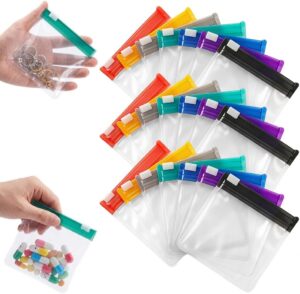
Self-Sealing Zipper Medicine Bags, …
Product description Self-Sealing Zipper Medicine Bags Item model number : YWD01 Date First Available…

Extra Large Seat Cushion for Sciati…
Product description Designed for Sciatica. Engineered for 10-Hr Relief 15.8% Wider. 100% Inclusive 19.69″ wide (15.8%…
💜 Travel Smarter Tip
The best trip isn't the one where everything goes perfectly—it's the one you planned well enough to enjoy despite the unexpected.
Travel Smarter. Move Easier. Explore with Confidence.
💜 Ready for Your Next Adventure?
Practical travel tips, helpful resources, and recommended gear for travelers with limited mobility.