

How to Travel Safely After Hip Replacement
Travel after hip replacement can feel daunting, but with planning and the right gear you can stay safe and comfortable. This guide focuses on practical steps to minimize risks, reduce discomfort, and keep recovery on track while you explore.
Before you leave home, consider seating, mobility support, medication organization, and bathroom accessibility—small choices make a big difference. For long rides, an extra-large seat cushion can protect your hip and reduce pressure during travel.
1. Timing your trip: when is it safe to travel?
Your surgeon or physical therapist should clear you before travel. Most people can take short trips by car within a few weeks, while longer trips or flights may require waiting until incision healing and mobility milestones are met. Ask about weight-bearing status, range-of-motion precautions, and when it’s safe to put luggage in overhead bins or climb steps.
2. Plan your transport and choose the right mobility aid
Match your mobility device to the trip. For airport transfers or portable support, a compact transport chair can be practical; for example, a lightweight folding transport wheelchair is easy to fold and fits in cars or taxis: lightweight transport wheelchairs are designed for travel convenience.
If you need walking support over longer distances or around hotels, consider a folding rollator with a seat so you can rest when needed. A travel-friendly option like the foldable rollator gives stability, a place to sit, and folds for storage.
3. Packing essentials and medication management
Pack medications, wound-care supplies, and a travel first-aid kit in your carry-on. Keep a list of medications, dosages, and phone numbers for your medical team. Use waterproof, organized pouches for pills and small supplies—reusable travel medicine bags help keep items separate and accessible during security checks: self-sealing zipper medicine bags.
Bring a paper or digital copy of surgery details (procedure, date), a list of current medications including anticoagulants if prescribed, and contact info for your surgeon. This speeds triage if issues arise while away from home.
4. Airport, train, and car tips
Airports and stations are often the most stressful parts of travel. Request mobility assistance in advance if walking long distances is difficult, and verify that assistance is available at both departure and arrival points. Protect wheelchairs or rollators in transit with padded covers and storage solutions; a sturdy wheelchair travel bag helps protect frames and avoids damage during handling.
In cars, sit on the side that allows easiest entry—usually the passenger side—and use a low step or assistance if needed. For plane travel, choose an aisle seat near the front for faster boarding and deplaning. If you use a cane, rollator, or wheelchair, label it so staff can match you to the device at gate arrival.
5. Managing long sits and keeping your hip comfortable
Long periods of sitting increase stiffness and swelling. Stand and walk briefly at regular intervals (as your surgeon allows). Carry small comfort items like travel pillows to support posture; compact options are ideal for planes and cars: affordable travel pillows can help maintain hip alignment during naps and while seated.
Use ice or cold packs after extended sitting if recommended by your care team, and elevate the leg briefly to reduce swelling. Compression socks can also help circulation—ask your clinician whether they’re appropriate for you.
6. Accommodations and bathroom safety
Choose ground-floor rooms or rooms near elevators to minimize stairs. Request a room with a walk-in shower or installable aids. A compact shower seat can make bathing safer and reduce fall risk—consider bringing or requesting a travel-friendly shower chair: an FSA/HSA-eligible shower chair provides stable seating in unfamiliar bathrooms.
Bring portable grab bars or use suction grab handles for added safety if your hotel doesn’t have them. Check transfers into and out of tubs—if stepping over a high tub edge poses a risk, request a tub-free room or avoid bathing until you can shower safely.
7. Preparing for emergencies and follow-up care
Know where local urgent care and hospitals are at your destination and have your surgeon’s after-hours contact. Carry a copy of your operative report or discharge summary and a list of medications. Keep a small organized pill system to prevent missed doses; a reliable organizer ensures you take the right medication at the right time: a multi-day pill organizer helps simplify dosing while traveling.
Consider travel insurance that covers medical transport if you’ll be far from home—especially important for longer or international trips.
Quick Checklist Before You Go
- Confirm surgeon clearance and understand activity limits.
- Book mobility assistance at transit hubs and accessible accommodations.
- Pack medications in carry-on and use waterproof organizers.
- Bring a travel seat cushion or pillow for long sits.
- Choose the right mobility device—transport wheelchair or foldable rollator if needed.
- Prepare shower safety with a portable/shower-friendly seat when required.
- Have emergency contacts, medical records, and local clinic info accessible.
FAQ
Q: How soon after hip replacement can I fly?
A: Timing varies. Many surgeons recommend waiting several weeks and ensuring your incision is healed and you meet mobility milestones. Always get written clearance from your surgeon before flying.
Q: What mobility aid is best for travel?
A: It depends on your balance and endurance. Lightweight folding transport wheelchairs are convenient for assisted travel, while a foldable rollator offers walking support and a built-in seat when you need rests.
Q: How do I manage swelling and pain on long trips?
A: Follow your clinician’s pain plan, move regularly as advised, and use ice and elevation when possible. Wearing compression socks may help circulation—check with your provider first.
Q: What should I pack in a travel medical kit?
A: Include prescribed pain medications, antibiotics if prescribed, wound dressings, adhesive strips, a digital thermometer, and an organized pill case for daily doses.
Q: Can I check my wheelchair or rollator?
A: Yes, but protect it with a durable travel bag to prevent damage during handling. Request gate-checking when possible so the device is available sooner on arrival.
Conclusion
Traveling after hip replacement is manageable with preparation: secure medical clearance, choose the right mobility aids, organize medications, and plan for bathroom safety. Take small steps—pack the right gear, request assistance in advance, and prioritize rest. With those precautions you can enjoy travel while protecting your recovery.
Products Featured in This Article
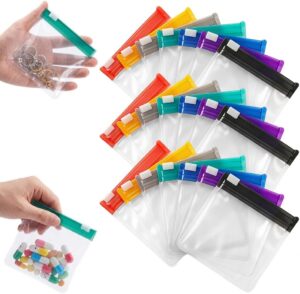
Self-Sealing Zipper Medicine Bags, …
Product description Self-Sealing Zipper Medicine Bags Item model number : YWD01 Date First Available…
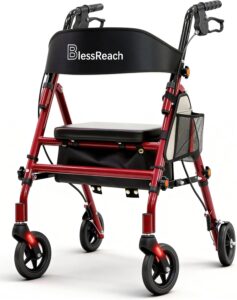
BlessReach Lightweight Foldable Rol…
Product description BlessReach Rollator Walker Add to Cart Customer Reviews 4.5 out of 5 stars 302…
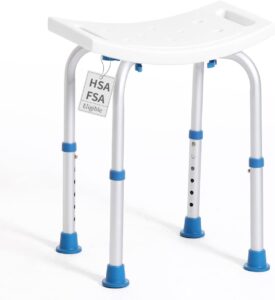
FSA/HSA Eligible Shower Chair for I…
From the brand Swipe left for more product SHOWER CHAIR BASIC SEIRES SHOWER CHAIR BACKREST SERIES…

Extra Large Seat Cushion for Sciati…
Product description Designed for Sciatica. Engineered for 10-Hr Relief 15.8% Wider. 100% Inclusive 19.69″ wide (15.8%…

MOLN HYMY Large Pill Organizer 2 Ti…
Product description Brand Concept of MOLN HYMY MOLN HYMY [məʊn haɪmi]. MOLN means cloud in Sweden,…
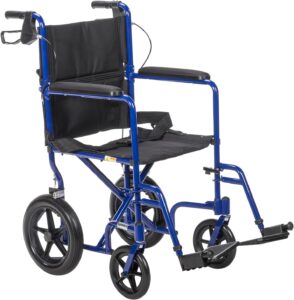
Drive Medical Lightweight Expeditio…
The Drive Medical Lightweight Expedition Folding Transport Wheelchair is engineered to deliver dependable mobility support for…