
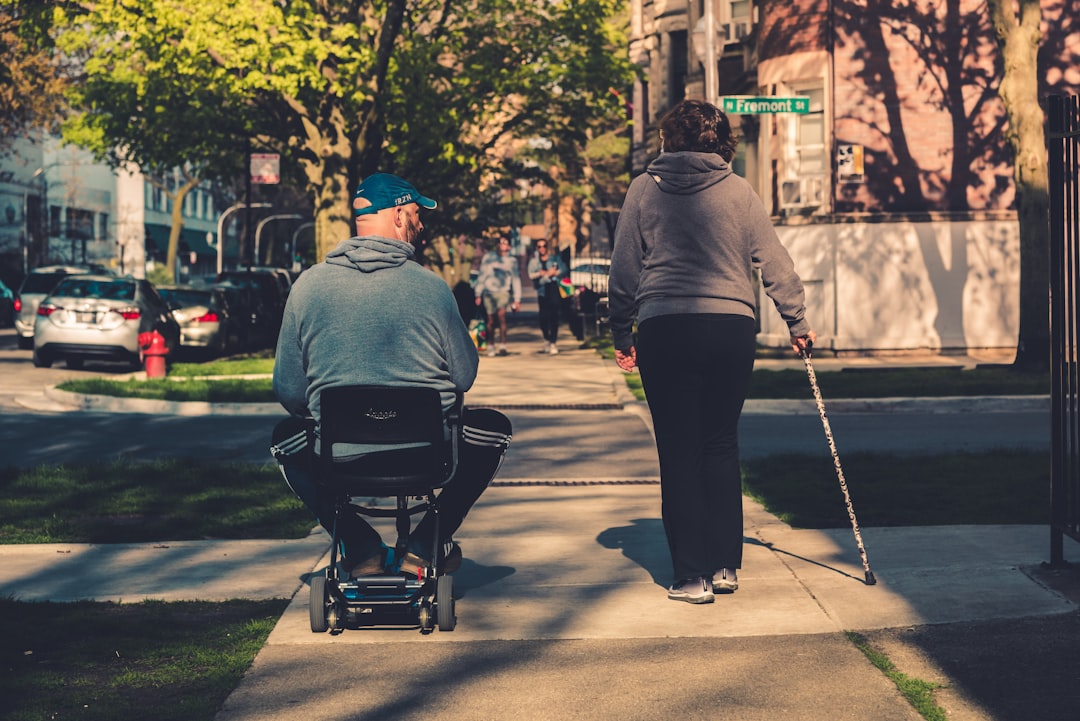
Accessible Travel Tips for People Who Use Canes, Walkers, or Scooters
Travel opens doors—to new cities, family moments, and experiences outside your routine. If you rely on a cane, walker, rollator, wheelchair, or mobility scooter, thoughtful preparation makes the difference between a stressful trip and an empowering one.
This guide collects practical, field-tested tips for planning, packing, navigating transit, and staying comfortable on the road. Use the sections below to build a travel plan that matches your mobility needs and reduces surprises.
Choose the Right Aid for the Trip
Think about distance, terrain, and how long you’ll be standing or walking each day. A lightweight travel cane is ideal for short outings; a rollator or scooter suits longer distances and uneven surfaces. If you’re exploring mixed terrain (city sidewalks, gravel paths, parks), prioritize stability and durability over minimal weight.
Consider certified and reimbursable options if insurance or FSA/HSA funds matter—see models that meet those criteria: FSA HSA Eligible Canes.
Folding Walkers and Rollators: Packability Matters
If you need a walker or rollator, choose one designed to fold easily and fit in a trunk, overhead bin, or cab. Measure the folded footprint and compare it to your vehicle and luggage space. Test-folding at home will prevent surprises at the hotel or curb.
Explore compact, travel-friendly options that balance strength and portability: Affordable Folding Walkers.
Scooters and Portable Power Options
Power scooters are excellent for covering long distances but require extra planning: battery type, airline approval (if flying), foldability, and transport arrangements. If you’re flying, contact the airline well before departure to learn their policies on batteries and stowing mobility devices.
Keep your scooter protected during transport and storage with a dedicated cover to shield it from dust, rain, and handling: Mobility Scooter Covers.
Wheelchair Travel and Storage Solutions
For manual or transport wheelchairs, check the chair’s dimensions, removable parts, and whether it can be folded or partially dismantled for travel. Bring photos of your chair’s setup to help airline or shuttle staff if reassembly is needed.
When you need to protect your chair in transit or store accessories neatly at your destination, dedicated bags and covers reduce damage and speed handling: Wheelchair Travel Bags.
Packing Comfort and Health Essentials
Long travel days can cause swelling and fatigue—pack garments and gear that reduce discomfort. Compression socks and supportive cushions help circulation and make extended sitting more tolerable. Choose breathable fabrics and test compression levels before travel to ensure comfort.
For reliable, budget-friendly options, consider: Affordable Compression Socks.
Airport, Train, and Bus Strategies
Arrive early. Book assistance when you buy your ticket so airlines, rail companies, and bus lines can help with check-in, boarding, and connections. Ask about pre-boarding and gate-side wheelchair or scooter storage policies.
If you plan to gate-check or stow larger devices, protective storage products simplify handling and prevent damage: Wheelchair Storage Bags are a useful option that travel staff appreciate.
Hotel and Bathroom Accessibility Tips
Call the hotel before booking to confirm room layouts, shower access, grab bars, and transfer space. Request a ground-floor or elevator-adjacent room when long walks in corridors are a problem. If a hotel room lacks grab bars or an accessible shower, portable solutions and simple equipment can bridge the gap.
For safer bathing when the facility doesn’t provide an accessible shower, bring or request a travel-friendly seat: Portable Shower Chairs.
Small Accessories That Make Travel Easier
Organizers, straps, cup holders, and compact seat cushions reduce strain and keep essentials within reach. If you use a rollator or wheelchair, choose accessories designed for those frames so mounting and removal are secure and tool-free.
For travel rollators that combine seating and storage in a compact package, see options here: Affordable Travel Rollators.
Maintenance, Charging, and Emergency Prep
Before departure, inspect tires, brakes, fasteners, and battery connections. Pack a small toolkit (Allen keys, tire pump, extra bolts) and a charging plan—carry chargers in your carry-on and note compatible sockets at hotels. Know local service providers at your destination for repairs or spare parts.
If you expect to be out of cell coverage, leave a written travel plan with a trusted contact and include device serial numbers and model names in case you need replacement parts or assistance.
Practical Packing Checklist
- Primary mobility aid + foldable backup (if space allows)
- Protective covers or travel bags for mobility devices
- Chargers, spare batteries, and power adapters
- Comfort items: seat cushion, compression socks, neck pillow
- Medication organizer and extra prescriptions
- Basic toolkit and spare hardware for your device
- Insurance, receipts, and documentation for mobility equipment
- Contact list for local repair services at your destination
FAQ
- Q: How early should I request assistance at the airport?
A: As soon as you book your ticket. Confirm 48–72 hours before departure and again at check-in to ensure staffing and resources.
- Q: Can I bring a mobility device on board the plane?
A: Policies vary. Most carriers allow personal wheelchairs and folding scooters but require advance notice for battery types and stowage procedures. Arrange assistance early.
- Q: What if my hotel room isn’t fully accessible?
A: Ask for room modifications (e.g., shower seat, grab bar rental) or request a different room. Portable shower chairs and grab aids can be a practical temporary solution.
- Q: Are compression socks safe for everyone during travel?
A: Many travelers benefit from compression socks to reduce swelling, but if you have specific vascular or medical concerns consult your healthcare provider before travel.
- Q: How do I protect my mobility device from damage during transport?
A: Use padded travel bags or covers, document the device condition before travel, and take photos for insurance or damage claims if needed.
Conclusion
Accessible travel is achievable with intentional choices: pick the right equipment for your itinerary, pack protections and essentials, and coordinate with carriers and hotels in advance. Small investments—like a travel-friendly walker, protective bag, or compression socks—pay off in mobility, comfort, and confidence on the road.
Start your next trip by checking one concrete item on this list—measure the folded size of your mobility aid or reserve a travel-friendly model—then build the rest of your plan around that foundation.