
How to Avoid Travel Stress When You Need Extra Support
Travel should expand your life, not drain your energy. When you need extra support—whether from a cane, walker, rollator, wheelchair, or simply medication management—planning and practical gear make the difference between an exhausting trip and a smooth one.
This guide focuses on clear, actionable steps you can take before and during travel. It includes packing strategies, communication tips, and recommended products to streamline mobility, medication, and comfort so you can focus on the trip itself.
Plan before you go: logistics and communication
Start by listing the specific challenges you expect: long walks between gates, uneven sidewalks, narrow hotel bathrooms, or timed medication schedules. Call airlines, train operators, and hotels to confirm accessibility options and request assistance—early requests are easier to fulfill than last-minute ones.
Ask about gate-to-aircraft transport, accessible restrooms, room dimensions, grab bars, and elevator access. Keep printed and digital copies of any mobility prescriptions or paperwork that clarify need for special equipment.
Packing essentials that reduce friction
Choose items that save time and reduce physical strain. A supportive pillow can prevent neck or back flare-ups after long rides, and compression items can reduce swelling during flights.
Consider adding an Affordable Travel Pillows to your carry-on for sleep and posture support on planes and in cars. Use Packing Cubes to separate clothes, reduce bending and rummaging, and keep items easy to find so you don’t strain opening every bag.
Organize medications and medical supplies
Medication routines are one of the main stressors when traveling. Pack medicines in labeled, easy-access containers and store a spare set in your carry-on in case checked luggage is delayed.
Waterproof Pill Organizer Bags keep daily doses sorted, and a compact Medical Travel Bags gives a single place for prescriptions, inhalers, syringes, or adhesives so you can find what you need immediately at security or during transit.
Luggage and transit tips for less lifting and lining up
Choose luggage solutions that reduce carrying and bending. A rolling bag with good wheels and an easy-to-grip handle reduces shoulder strain; if you expect cobblestones or mixed surfaces, larger wheels and sturdier frames help.
Lightweight, maneuverable options like Rolling Travel Bags are ideal for minimizing effort while navigating terminals, taxis, and short walks.
Assistive equipment: check, tag, and protect
If you travel with a wheelchair, rollator, or cane, preparation prevents damage and loss. Label equipment with your contact info and flight details; bring photos for replacement claims if needed.
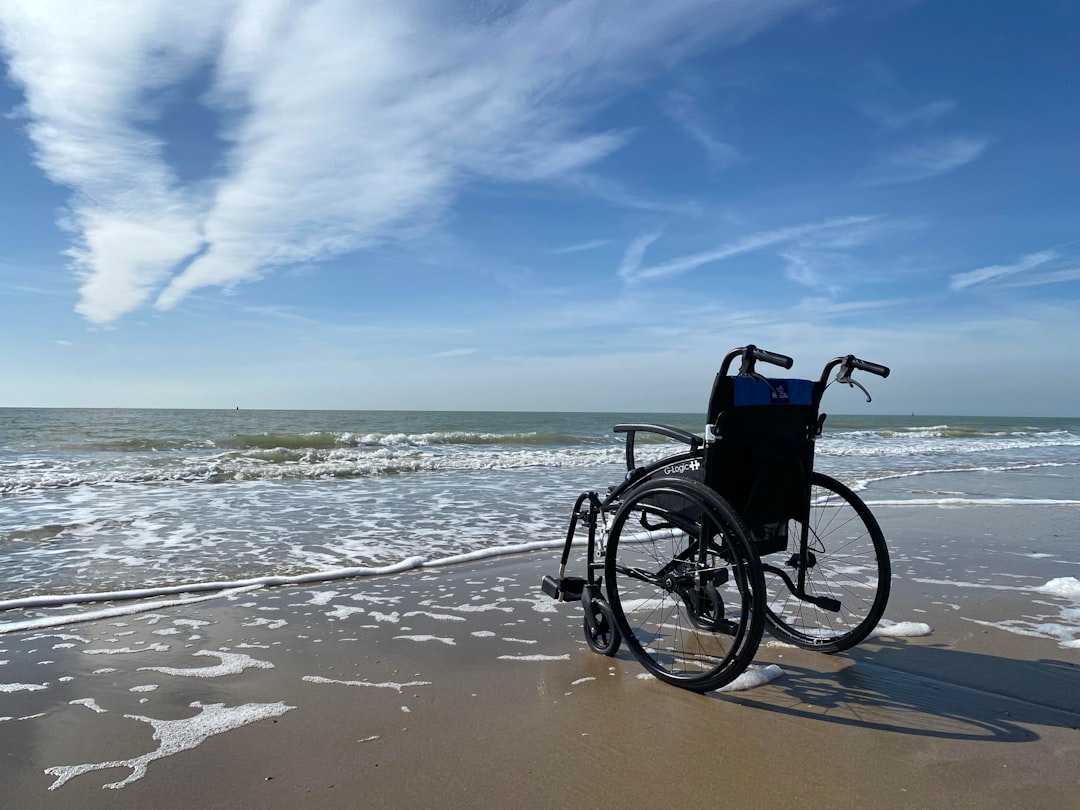
For wheelchairs, consider a dedicated Wheelchair Storage Bags to protect against dirt and scuffs in cargo and during transfers. If you rely on a rollator or walker, look at FSA HSA Eligible Rollators for travel-friendly options that fold and are easier to manage. For cane users, check compact FSA HSA Eligible Canes designed for travel and airport security.
During travel: pacing, seating, and self-advocacy
Pace your day. Build downtime into itineraries and avoid packing too many long activities into one day. Request early boarding or assistance at the gate so you can board with less pressure and settle in without navigating crowds.
When choosing seats, prioritize aisle seats near the front for quick restroom access and easier in-and-out. Always accept offered help if it saves energy, but feel empowered to request specific types of assistance that match how you move and what you need.
Accommodation accessibility: what to confirm
Before booking, confirm room layout: doorway widths, shower thresholds, grab bars, and bed height. If you need a roll-in shower or a room close to an elevator, book these specifically rather than assuming they’re available.
Bring small aids that make hotel bathrooms safer and easier to use, and keep frequently used items in a carry bag so you don’t have to bend and search through suitcases.
Packing organization checklist
- Medication packed in labeled containers and duplicate set in carry-on
- Support pillow and compression wear for circulation
- Rolling bag with sturdy wheels for easy rolling
- Packing cubes to separate outfits and reduce searching
- Assistive device labeled and protected in a storage bag
Practical items to consider bringing
Small additions can reduce stress drastically. Consider extra charging cables, a compact seat cushion for long waits, and simple tools like elastic shoe laces or a reacher. If you use specialized equipment, bring a small repair kit or spare parts for quick fixes.
FAQ
- How far in advance should I request airport assistance?
Airlines recommend requesting assistance at booking or at least 48–72 hours before departure. Early requests improve the chance of specific accommodations like wheelchair escorts or early boarding. - Can I bring extra medical supplies in carry-on luggage?
Yes. Keep them in clearly labeled bags and carry documentation if you have syringes, oxygen, or other specialized items. Pack a checklist so nothing is left behind. - What if my mobility aid is damaged during travel?
Photograph the damage, get written confirmation from the carrier (baggage claim or airline desk), and keep receipts for repairs. Protective storage helps reduce risk. - Are compression socks helpful on flights?
Many travelers find graduated compression helpful for long flights to reduce swelling and fatigue. If you prefer, pack a pair and test them on a shorter trip first. - How can I avoid long walks at large airports?
Request wheelchair assistance, use airport shuttle options, or ask security for closer screening lanes when you have mobility limitations. Many airports also offer ride services between terminals.
Conclusion
Travel with extra support is entirely doable with focused planning, the right gear, and clear communication. Use protective storage for equipment, organized medication systems, and mobility-friendly luggage to conserve energy and reduce surprises.
Start your packing list early, confirm accessibility needs with providers, and choose a few travel-friendly products to simplify movement—small changes have a big impact on stress during travel.